The Harada Method is a Japanese goal‑achievement system that builds confidence and results through disciplined daily habits rather than talent or motivation alone. It teaches individuals to set a meaningful long‑term goal and break it down into small, consistent actions practiced every day, developing self‑trust, resilience, and sustainable success. Major League Baseball star Shohei Ohtani famously used the Harada Method’s structured goal‑setting approach as a teenager, demonstrating how daily discipline can compound into world‑class performance.
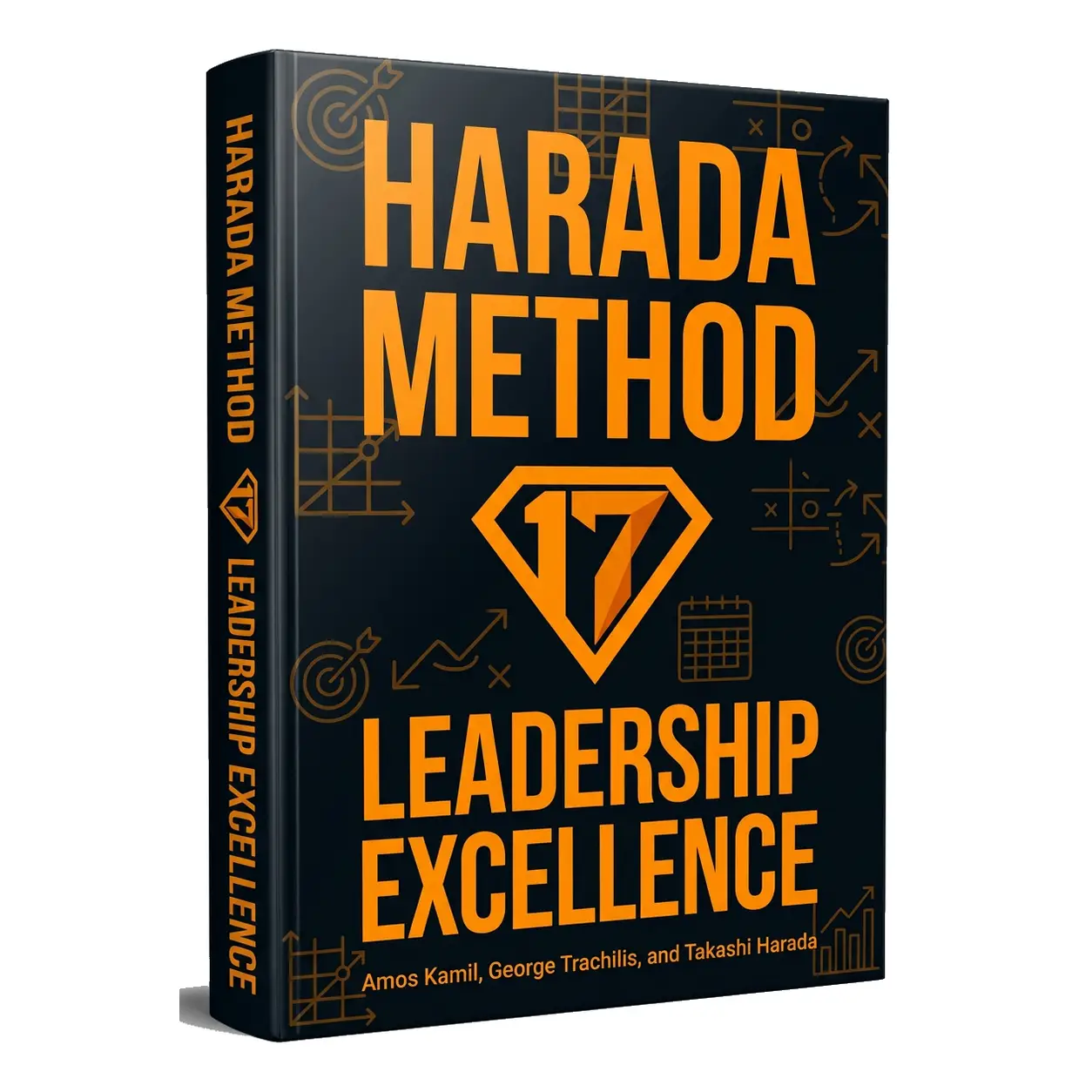
Harada Method 17 is the implementation guide for those taking certification courses to become a Certified Practitioner or Certified Coach. Through a structured journey of reflection and action, it combines the Harada Method’s five forms with self-discovery, daily habits, meaningful goals, and honest accountability. Across seventeen weeks, you will explore inner resistance, strengthen self-reliance, and build lasting change. This book is a great start toward implementing the method, preparing for certification, and becoming someone you can truly rely on.
The Harada Method begins with a personal challenge: take responsibility for your development and build a meaningful plan for your future.
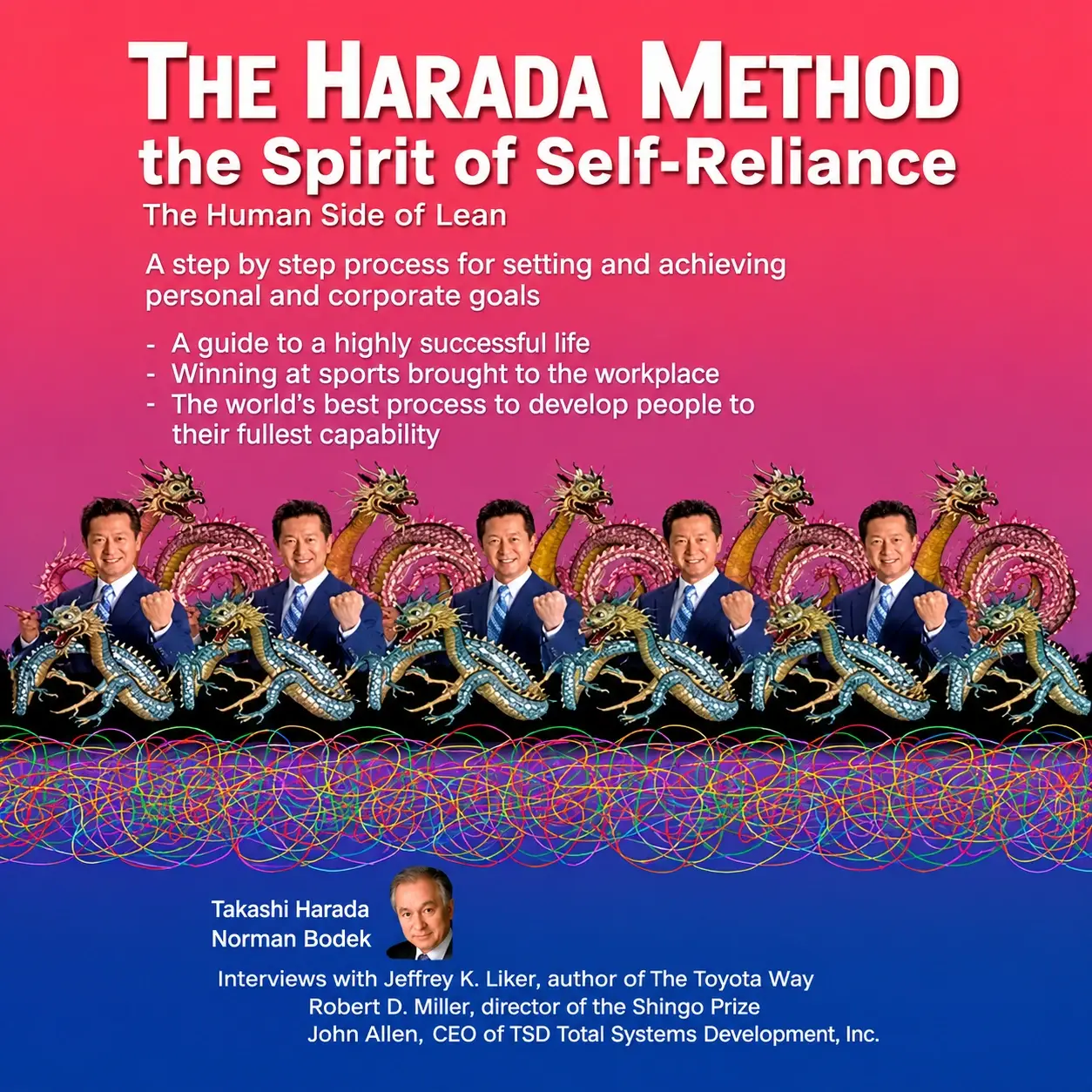
Throughout this 17-week certification program, you will study The Harada Method: The Spirit of Self-Reliance, by Takashi Harada and Norman Bodek, alongside the accompanying online course. You will apply the method to a goal that matters to you, with weekly assignments, coaching, and feedback.
You will attend a one-hour meeting each week, but the real work happens between meetings. You will complete reading, video learning, and homework, report your progress in the OW64 app, and organize your work in your Mural digital workspace.
This is not simply a course about setting goals. It is an opportunity to practice becoming the person capable of achieving them.
Your first week may be the hardest. You will receive a Mural digital workspace and learn how to navigate it, organize your assignments, and document your progress. You will also begin using OW64 to communicate with your coach and establish a daily check-in routine.
Your first assignments help establish your starting point. You will describe your “Ordinary World,” including your current circumstances, challenges, and habits. You will also explore possible goals and consider how achieving them could benefit both you and others. These reflections become the opening chapter of your Hero’s Journey.
Over ten weeks, you will work through The Harada Method book, with assigned reading, supporting video learning, discussion, and homework each week. The following learning sequence groups related chapters so that you can build your understanding while developing your own plan.
Chapters 1 and 2
You will explore how Takashi Harada developed his approach through coaching students and later brought it into organizations. You will learn the method’s five stages: goal, purpose, analysis, action, and implementation. Your homework will ask you to define what success means to you and begin describing a future worth working toward.
Chapters 3 and 4
Self-reliance means developing the character, skills, and judgment to take responsibility, not trying to do everything alone. You will assess yourself using the 33 self-reliance words and explore the four aspects of development: spirit, skill, physical condition, and daily life. You will begin your Long-Term Goal Form and identify practical ways to serve others.
Chapters 5 to 7
You will turn your ambition into a measurable goal with a completion date, different achievement levels, and milestones. You will also examine the reasons behind your goal, including tangible and intangible benefits for yourself and others. Your homework will strengthen both your target and the purpose that makes pursuing it worthwhile.
Chapter 8
You will analyze previous successes and setbacks to identify helpful behaviors, recurring difficulties, and lessons you can apply. Looking across the four aspects of development, you will anticipate obstacles and prepare countermeasures. The purpose is not to judge your past, but to use it to make better decisions about your future.
Chapters 9 and 10
You will place your main goal at the center of your Open Window 64 Chart, identify eight supporting areas, and develop eight actions within each area. Your assignment will turn a broad ambition into a practical collection of 64 tasks and routines. You will examine whether those actions genuinely support your goal.
Chapters 11 to 14
You will add dates to your tasks, select ten initial priorities, and choose routines that support consistent progress. You will distinguish between actions you complete once and behaviors you repeat. You will also develop encouraging self-talk to help you stay focused when motivation drops or challenges arise.
Chapters 15 and 16
You will identify the information, resources, encouragement, and coaching you need. Your homework will ask you to name people who can support your development and clarify what help you will request. You will also explore why effective leadership depends on developing people, not simply being the strongest individual performer.
Chapters 17 to 20
You will learn to use the Routine Check Sheet and Daily Diary together. The check sheet records whether you follow your chosen routines, while the diary helps you plan, prioritize, reflect, and prepare for the next day. You will practice both tools, receive feedback, and learn how to review and revise your plan.
Chapters 21 to 24
You will explore how self-reliant individuals contribute to stronger teams and how leaders create opportunities for learning, mastery, and improvement. The book’s case studies and practitioner questions will help you consider applications in your own setting. Your assignment will connect your development with the people you work with or support.
Chapters 25 to 30, appendices, and summary
You will discuss the interviews with Jeffrey Liker, Robert Miller, and John Allen, exploring people development, respect, humility, and organizational alignment. You will also examine the book’s distinction between developmental leadership and controlling management. The appendices bring the learning together through reflection, service, consistent action, and sharing what you learn.
With the book covered, you will review your completed work with your coach. You will refine your Long-Term Goal Form, Open Window 64 Chart, priorities, and routines so that your daily practice supports a clear purpose.
You will also organize the evidence of your learning and continue building your Hero’s Journey presentation. Your coach will confirm the dates for your full-month practice period so it is completed before your final report-out.
During the final four practice weeks, your focus shifts from learning the tools to using them consistently.
You must complete:
Because four weeks contain only 28 days, your full-month practice period may begin before Week 13.
Each day, you will plan your priorities, record your routines, reflect on what happened, and identify what you will do differently. The aim is not to produce a perfect month. It is to demonstrate honest reflection, consistent practice, and learning through action.
Your final report-out brings your development story to the other coaches in the network.
You will describe where you started, the goal you chose, the resistance you encountered, the support you received, and the changes you made. You will share your completed work and explain how the Harada tools influenced your thinking and daily actions.
Your presentation develops throughout the program, rather than becoming a last-minute assignment.
Certification follows completion and review of the program requirements, including your assignments, full-month daily practice, and final report-out.
You finish with more than an understanding of the Harada Method. You finish with a personal plan, documented practice, and a story of development you can share with others.